Yesterday, I had my third and last appointment prior to day of surgery. I had to meet with the specialist, Molly Price, who will train me on how to use my ileostomy bag and mark the placement location of the stoma. In addition to removing the diseased section of my colon during surgery, Dr. Biggers will also create a "stoma", a surgically-created opening on my abdominal wall through which a section of my small intestine will be drawn out and sewn onto the skin surface in order to allow the body's waste to empty into a man-made bag. This procedure is necessary in order to allow the re-sectioned portion of my colon to heal by allowing waste to instead be eliminated through the stoma temporarily. If I end up getting a colostomy instead, then I will have to wear the bag for the rest of my life, but it will save my life. If I'm lucky, I won't need the permanent colostomy instead, but Molly will show me how to use both since it can go either way as determined during surgery.
Envisioning an older woman with years of experience, I met instead with a young, athletic-looking brunette who seemed like she was already having a long day as evidenced by the frequent exhalation of sighs during our appointment. Molly had so much information to go over, but she was also cognizant of the fact that most patients have much on their minds prior to surgery, so she was careful not to overload or task me with too much. Like a traveling salesman might do, she brought out a range of bags, appliances, brochures of different types of ileostomy and colostomy bags available on the market. It's not a one-size-fits-all world, she said, so she will meet with me in hospital after surgery in order to customize a system that will work best for my body and lifestyle. Chief in my mind is that I have two little sons who will want to be hugged, held, and lifted a lot, so she will find something that works just for me. There were clear bags, opaque bags, different openings, varying sizes, some with built-in charcoal odor filters! Evidently, there were disposable bags, bags with clamps or velcro fasteners, and even bags that were conducive for intimacy. My face must have betrayed some kind of emotion after hearing the enumeration of products that would serve to replace my normal bowel function for the next three months, or possibly the rest of my lifetime, because Molly suddenly changed gears.
Molly couldn't be a day older than me, but she must have felt sympathetic in that moment because she stopped her stream of professional-speak for a moment and instead offered me a moment to take it all in. She said, "I know this is a lot to process right now, but remember to take a moment to grieve. These medical devices work great with few chances of failure, but the biggest thing my patients face is the issue of body image and self-esteem." After hearing those words, I wanted to bite my lip to keep it from trembling and to keep from letting any tears fall, because I hadn't really wanted to think about it at all. Sure, I can regurgitate everything the doctor discussed with me about my diagnosis and treatment regimen, but have I really let any of this sink in? Have I been grieving adequately or have I been hiding behind a false front of bravado and denial? I have to wear a bag to poop! Molly might have read something in my face or sensed some apprehension, and the way she was looking at me made me feel that she could see right through my skin. Maybe she saw the cancer from inside-out or maybe she was staring at the person carrying it, and stopped a moment to empathize.
My friend Phuong is an oncology nurse at the Seattle Cancer Care Alliance and I was wondering at that precise moment if she dealt with this everyday while at work. She once told me it was a "privilege" to be doing the work she does with cancer patients, and I know she is sincere because she is one of my dearest friends and everything about her personality and demeanor speaks to compassion and benevolence toward others. Doctors and nurses are consummate professionals who must deal with the reality of sickness and death in those they treat; but when a patient sees a glimmer of compassion or senses that their health care professional really cares, it makes being treated bearable and humane. Phuong has been my champion and my advocate ever since my diagnosis, and no one needs to remind me how very fortunate I am to have her as a real life guardian angel.
Brought back to the discussion at hand, the tears dissipated before they had a chance to surface, and I regained my composure and took to writing down more notes in the little memo pad I've been carrying around. In order to mark the precise location of the stoma for surgery, Molly had me lie down, sit up in a chair, stand up straight, bend over, and also show her the waistline of my pants in order to determine the flattest and most suitable stoma site. Because of the loose skin on my belly and the distension of my abdomen after having the twins, my case was more challenging to mark. She marked four locations on my belly with her pen before she inked the final site in permanent marker and covered it with clear medical tape so that it won't fade before the day of surgery. Armed with books and brochures, I got up hesitantly to leave and Molly assured me that she will visit me in hospital to get fitted for the right bag post-op. I wanted to believe that she really cared, but she was already on her way to the next appointment. I wonder if she will even pronounce my first name correctly next time she sees me...

Spencer practicing KUNG FU in the mirror!

Rowan in traditional Vietnamese garb

Rowan in moose pajamas

Spencer in polar bear pajamas

Rowan so happy!
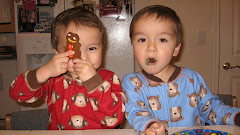
Spencer & Rowan eating gingerbread cookies
Cousin Carolyn visited for Christmas

Diane, Spencer & Connor

Remy, Nina, Me, Carolyn, Toni

Rowan asleep instead of opening Christmas presents!

Twin Brothers Jeff & Mike with Carolyn

Me & Connor

Dad, Co Nga & Diane

Me & Co Nga (stepmom)

Rowan & Diane in the snow

Spencer tore up a whole box of Kleenex

Rowan in a box

Pure Spencer adrenaline

Rowan's snowman impression

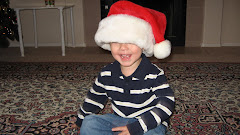
Spencer under the Santa hat
Rowan napping on the couch

Toni, Connor, Zhivago

Me & Nina
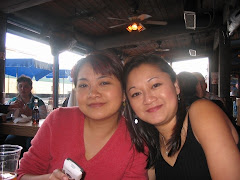
Diane and Me 2004

Julien, Cecile and Me

Boeing Buddies

Me, Steve, Kevin, Tim, Jodie
Karen & Me

Kat & Me

Spencer, Me, Rowan, Connor
Karen, Me, Phuong & Kat

Karen, Me, Phuong, Lincoln & Kat
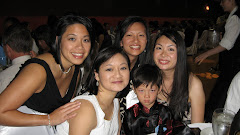
Me, Toni, Carolyn, Nina & Jeff

Cousin Thuy & Me

Cousin Thuy, Me & Baby Zuri

Cousins Carsten & Uyen

Spencer got into the Vaseline

Me & Rowan at Jump Planet

Spencer at Jump Planet

Me & Silly Connor 2004

Rowan, Zhivago, Connor, Spencer, Toni

Me, Co Nga and Twins

Rowan & Spencer

We Love Spongebob Squarepants!
My Sister Nina

Best Sister EVER!
Spencer sitting in the doggie bed

Brother Jeff and Rowan

Brother Zhivago & Sister-in-Law Toni

Half-Sister Diane

Brother Mike & Nephew Remy

Connor & Cousin Carolyn

Me & Cousin Carolyn

Me & Dad

Me & Phuongy Tran
